
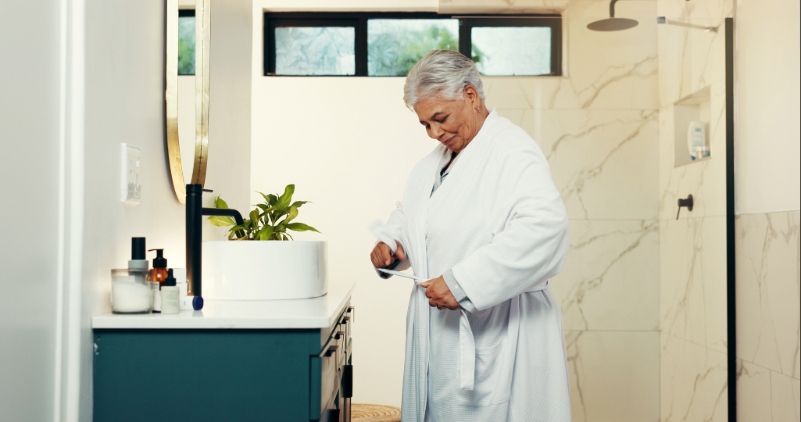
When it comes to designing a bathroom, most people focus on aesthetics more than safety—until one small slip & fall changes everything. That’s why bathroom safety & accessibility is a crucial, but regularly overlooked home detail.
Especially for older adults, the bathroom can quickly become one of the most dangerous rooms in the home. Wet floors, poor lighting, and tight spaces all create everyday hazards that can make simple routines feel stressful or unsafe. But here’s the good news: creating a safer bathroom doesn’t mean sacrificing comfort, independence, or style.
Today’s accessible bathroom renovations are designed to help seniors age-in-place confidently while still enjoying a space that feels modern, beautiful, and functional. From simple DIY improvements to professionally installed walk-in showers and other features, there are more options than ever to make bathrooms safer without making them feel clinical.
Whether you’re planning ahead for your own future, helping an aging parent stay independent, or simply exploring smart home updates, this guide covers everything you need to know about bathroom safety for seniors—including practical tips, remodeling ideas, and expert-backed solutions that blend safety with style.
Key takeaways:
- Bathrooms are one of the highest-risk areas in the home for slips and falls.
- Small updates go a long way in improving daily safety and comfort.
- Larger projects like walk-in showers and tub-to-shower conversions should be professionally installed.
- Modern accessibility features are designed to blend seamlessly with contemporary bathroom aesthetics.
- Planning ahead for aging in place can help homeowners stay independent longer and increase home value.
Why is Bathroom Safety Important for Older Adults?
According to the CDC, falls are the leading cause of injury for older adults, and millions take a spill every year. Unfortunately, bathrooms are one of the most common locations for injuries due to slippery surfaces and tight spaces. That’s why a proactive approach to bathroom safety and accessibility is so important, and can significantly reduce risks while improving day-to-day comfort.
Hidden Risks in an Unmodified Bathroom
Many traditional bathrooms weren’t designed with mobility limitations in mind. Common hazards include:
- Slippery tile flooring
- High bathtub walls
- Poor lighting
- Low toilet heights
- Lack of support bars
- Tight layouts with limited maneuverability
Even a small amount of water on the floor can create a dangerous slipping hazard for older adults. So, as you or your parents age, it’s important to think about bathroom upgrades that are specifically designed with safety and comfort at the forefront.
What Does “Aging in Place” Truly Mean?
“Aging in place” means designing a home so that you or your loved ones can continue living there safely and independently as you grow older. An “aging in place” bathroom design focuses on accessibility, ease of use, and comfort without sacrificing your aesthetic preferences.
This often includes features like:
- Wider entryways
- Low threshold showers
- Grab bars
- Slip-resistant flooring
- Seating inside showers
- Handheld showerheads
- Comfort-height toilets
Not sure where to start? We’re here to help! Learn more about improving your bathroom’s natural accessibility with customized remodeling solutions.
What Are Some Simple Tips for Seniors’ Safety?
Not every bathroom upgrade requires a full renovation. Several affordable DIY improvements can make a meaningful difference in senior bathroom safety. Here are just a few:
Non-Slip Mats and Flooring Solutions
One of the easiest bathroom safety tips for seniors is adding non-slip mats both inside and outside the shower or tub. Homeowners can also apply anti-slip coatings or textured strips to slick flooring surfaces.
If you’re planning a larger remodel, slip-resistant flooring materials provide a longer-term solution while maintaining a polished appearance.
Improve Visibility with Better Lighting
Good lighting is essential for bathroom safety for elderly homeowners. Think about making simple upgrades like:
- Brighter LED lighting
- Motion-sensor night lights
- Vanity lighting around mirrors
- Illuminated shower spaces
Improved visibility helps reduce tripping hazards and makes everyday tasks easier.
Raise the Toilet Seat Height
Standard toilets can become difficult to use as mobility changes over time. Comfort-height toilets or raised toilet seats usually make it easier for older adults to sit down safely, and include railings that make it easier to stand back up.
These accessories slide right over your current toilet, and don’t require professional installation or assembly. They’re also quite affordable, with most costing under $100 online or at your nearest pharmacy.
What Senior Safety Bathroom Projects Require an Expert?
While some updates are DIY-friendly, larger accessibility improvements should always be professionally installed to ensure safety, durability, and code compliance. Here’s when you should call in an expert for help:
Installing Safety Grab Bars & Handrails in the Bathroom
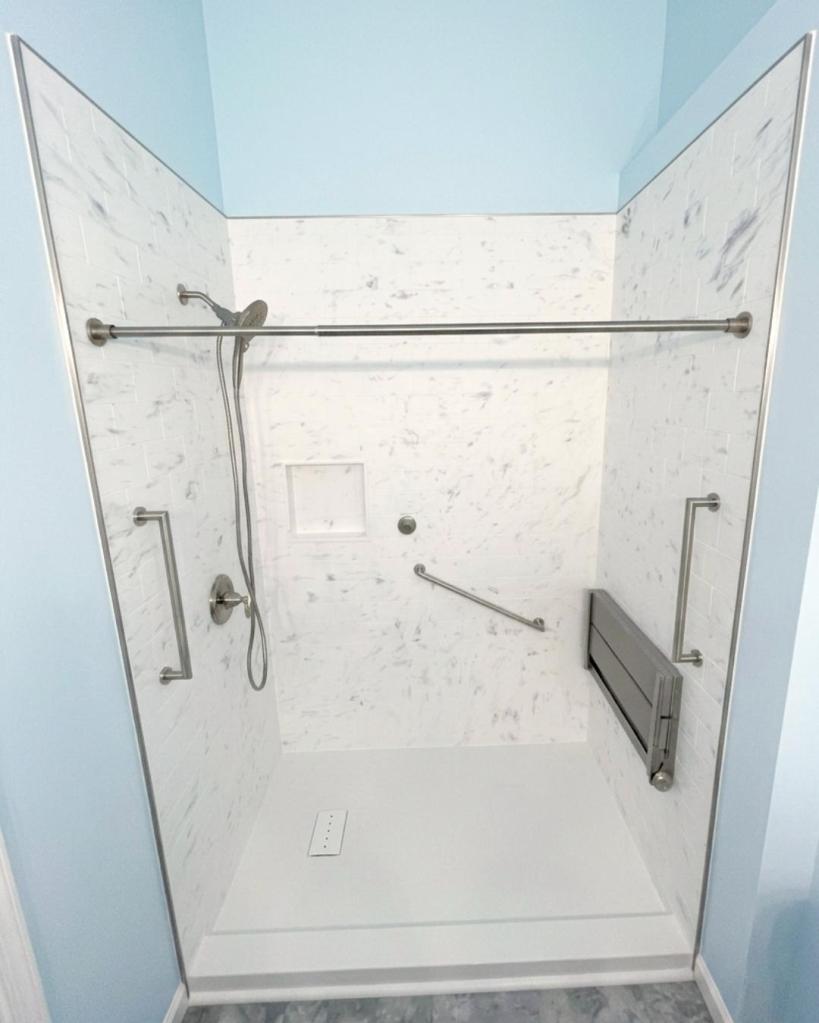
Installing permanent bathroom safety bars for seniors provides essential support when entering showers, standing from toilets, or navigating slippery surfaces. Professionally anchored grab bars are far safer than suction-mounted alternatives because they’re secured directly into wall studs.
The good news? Grab bars have come a long way in the last decade. While you might be picturing those visually unappealing, hospital-style silver and grey beams of years past, there are lots more options today. Many are available in sleek finishes and modern styles that blend naturally with contemporary bathroom design.
Putting in a Walk-In Shower
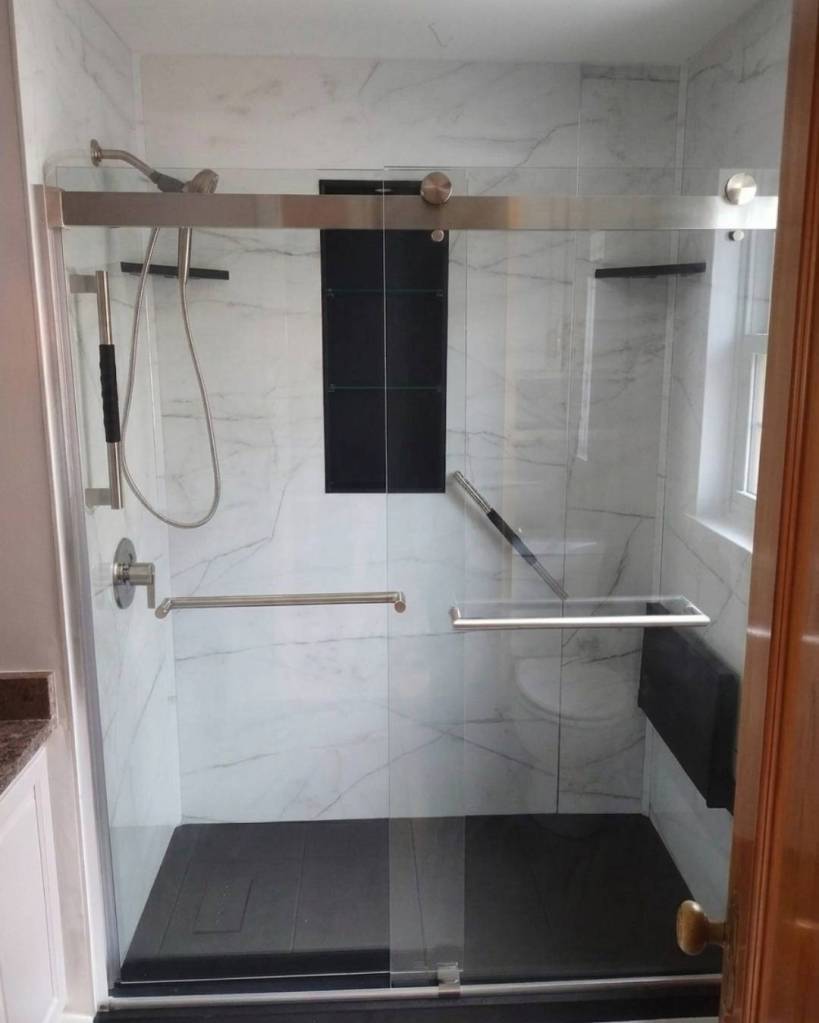
Walk-in showers are one of the most popular accessibility upgrades for homeowners planning to age in place.
A senior-ready walk-in shower might include a low or no-threshold entry and built-in seating for ease of use. They also might be designed more simply for easy cleaning and improved maneuverability, while reducing fall risks.
Frameless glass designs can also make smaller bathrooms feel more spacious and upscale, while offering caretakers better visibility when helping a loved one bathe.
Tub-to-Shower Conversions or Walk-In Tubs
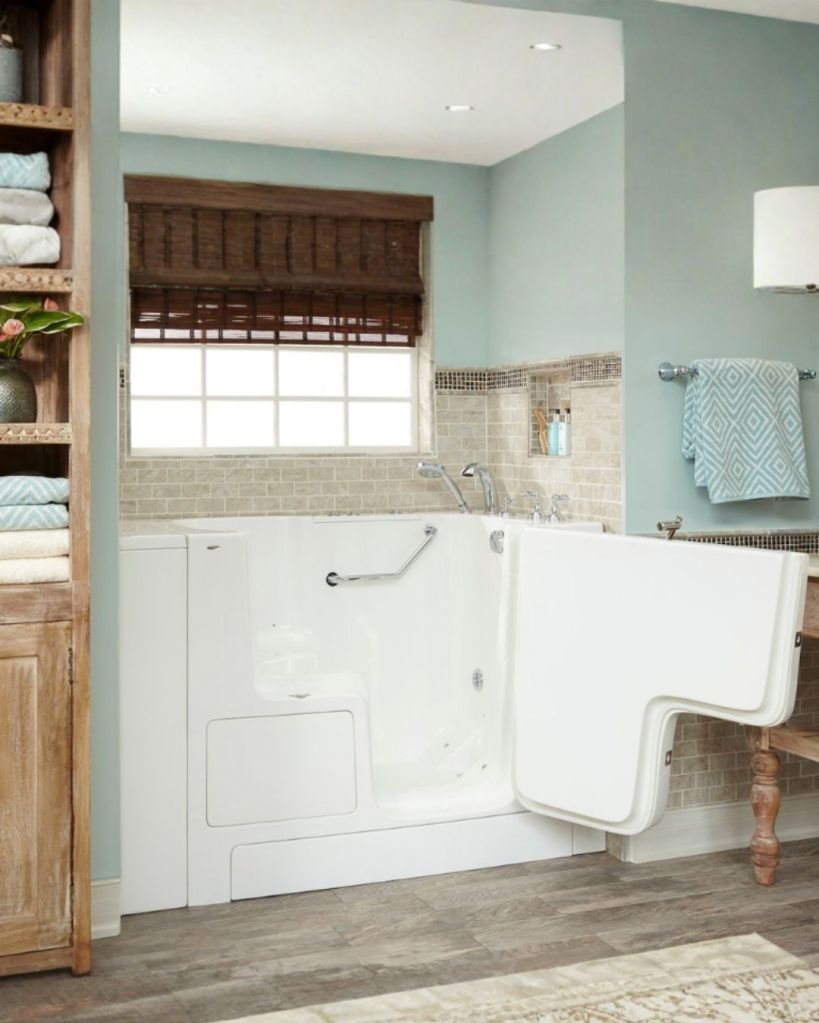
Traditional bathtubs can become difficult—and dangerous—to step into over time.
Tub-to-shower conversions replace high tub walls with easier-to-access showers, while walk-in bathtubs allow users to bathe safely with watertight doors and built-in seating.
Here’s a quick comparison:
| FEATURE | WALK-IN SHOWER | WALK-IN BATHTUB |
| Entry Accessibility | Excellent | Very Good |
| Space Efficiency | High | Moderate |
| Good for Mobility Devices? | Yes | Limited |
| Bathing Experience | Standing or Built-In Shower Seat | Traditional Soaking Bath |
| Maintenance | Easier | Moderate |
Flooring Upgrades for Slip Resistance
Professional flooring installation can dramatically improve bathroom accessibility while enhancing aesthetics. Popular slip-resistant options include:
- Textured luxury vinyl
- Matte-finish porcelain tile
- Rubber-backed flooring systems
- Engineered waterproof materials
A professional bathroom remodel ensures these materials are installed properly to avoid uneven surfaces or moisture issues that could lead to mold.
Ready to Improve Your Bathroom’s Safety?
Are you looking for an estimate on your accessible bathroom upgrades for senior safety? Get a no-obligation, hassle-free consultation from one of our experts at The Bath Authority.
Schedule Your Free Consultation>
Do You Have to Sacrifice Style for Safety in a Senior’s Bathroom?
When you think of a safe and accessible bathroom, you might picture something like a doctor’s office: sterile, cold, and uninviting. Stainless steel and plastic coverings might come to mind, offering practical support for aging adults—but leave something to be desired when it comes to aesthetics.
Luckily, today’s accessible bathrooms are just as stylish as they are functional. Combining safety with sophisticated design, modern accessibility features blend right into the rest of your home’s design.
Design Possibilities That Showcase Style
Today’s accessible bathrooms often include:
- Spa-inspired finishes
- Floating vanities
- Warm wood or chic marble textures
- Matte black or gold fixtures
- Large-format tile
- Minimalist layouts
Many visitors won’t even realize the bathroom was designed with accessibility in mind.
Modern Fixtures Can Meet Safe Designs
Manufacturers now create ADA-conscious fixtures that look luxurious rather than clinical. Handheld showerheads, comfort-height toilets, and integrated seating can all complement a high-end aesthetic.
This allows homeowners to prioritize bathroom safety for seniors without compromising the overall design vision of the space.
Frameless Walk-In Showers Are In!
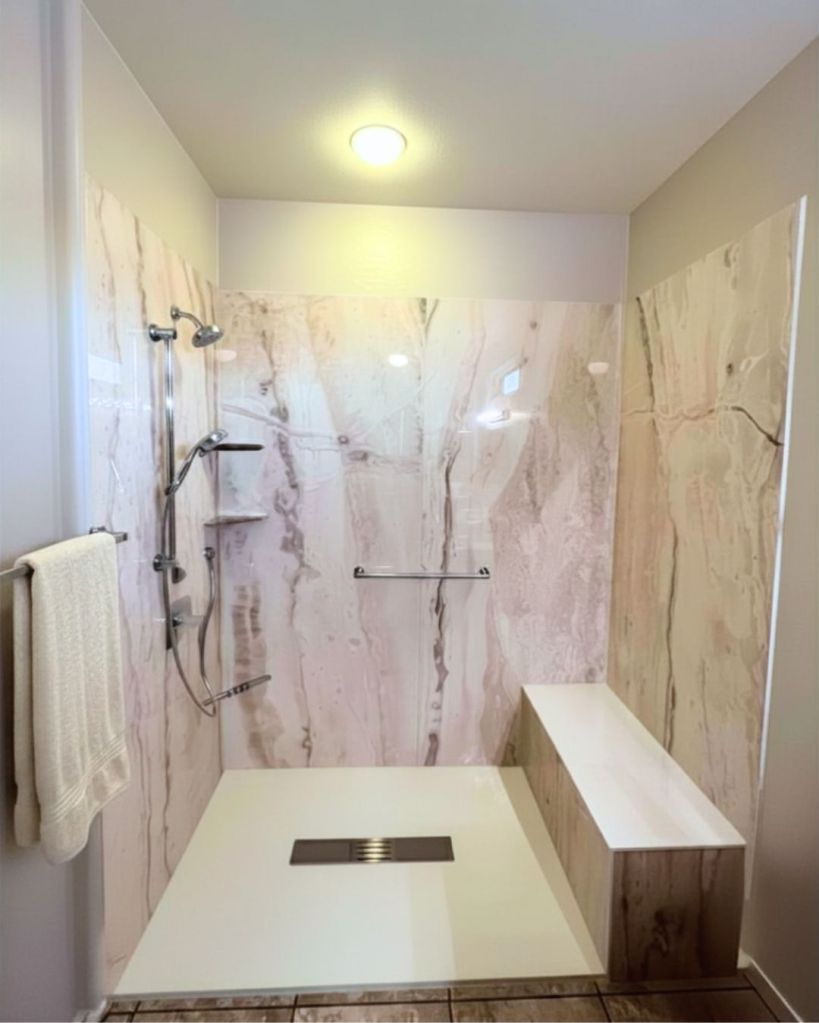
Frameless showers continue to grow in popularity because they offer:
- Better accessibility
- Cleaner sightlines
- Easier maintenance
- A more open-feeling bathroom
For many homeowners, they provide the ideal balance between style and practicality. Ready to upgrade your shower? Explore more ideas for improving senior bathroom safety.
How Should You Plan Your Senior Bathroom Safety Upgrade?
Planning ahead helps homeowners avoid rushed decisions later while maximizing comfort and long-term value. If you’re thinking about how you’ll optimize your home as you age in place, here are a few bite-sized steps you can take now (without jumping straight into the deep end).
Start By Reviewing Your Bathroom’s Risk Factors
Knowledge is power! As you think about adding safety features to your bathroom, start by identifying where your biggest risk factors might be. Take a walk through your bathroom and notice where there might be:
- Slippery surfaces
- Difficult entry points
- Poor lighting
- Tight spaces
- Areas lacking support
Making a quick checklist will help you prioritize the most important upgrades first.
Set a Budget (And Expect Unpredictable Costs)
Accessibility upgrades can vary widely in cost depending on the project scope. Bathroom renovations often come with costs that you might not think of right off the bat—so in addition to safety installations and aesthetic upgrades, you should be prepared to budget for:
- Plumbing adjustments
- Electrical work
- Flooring repairs
- Waterproofing
- Structural reinforcement
Working with experienced professionals helps minimize surprises during the renovation process, as they can help you anticipate every cost you’ll encounter.
Take the First Step Towards a Safer Bathroom
A safer bathroom doesn’t have to feel institutional or outdated. With today’s remodeling options, homeowners can create a space that supports aging in place while still feeling modern, stylish, and comfortable.
Whether you’re making small updates or planning a complete accessibility bathroom renovation, investing in bathroom safety now can help preserve independence and confidence for years to come.
If you’re ready to take a step towards a new walk-in shower to make your bathroom safer, more accessible, and more stylish then The Bath Authority is ready to help. Reach out to one of our experts and explore what we can do for your bathroom.
Senior Safety Frequently Asked Questions
The most important features typically include:
Grab bars
Slip-resistant flooring
Walk-in showers
Proper lighting
Comfort-height toilets
Built-in seating
These upgrades reduce fall risks and improve overall bathroom accessibility.
The cost of a senior-focused bathroom remodel depends on the size of the space and the types of upgrades included. Smaller updates like grab bars and improved lighting may cost only a few hundred dollars, while larger accessibility bathroom renovation projects involving walk-in showers, flooring replacement, or plumbing adjustments can range into the thousands. Working with a professional remodeling team can help homeowners prioritize upgrades that fit both their safety needs and budget.
Major layout changes, plumbing relocation, and installing walk-in tubs are often the most expensive portions of an accessibility bathroom renovation. Costs can also increase if structural repairs or waterproofing updates are required.
Yes. Many bathroom accessibility improvements appeal to a wide range of homeowners—not just seniors. Features like walk-in showers, slip-resistant flooring, and modern open layouts are increasingly popular because they improve comfort, convenience, and long-term usability. An updated aging in place bathroom may also make a home more attractive to multigenerational families and future buyers.
Walk-in showers prioritize easy entry and mobility accessibility, while walk-in tubs focus on seated bathing with watertight doors and soaking functionality. The right option depends on the homeowner’s mobility needs, preferences, and available bathroom space.
Project timelines vary depending on the scope of work. Simple upgrades may take only a day or two, while larger remodels involving flooring, plumbing, or tub-to-shower conversions can take several days to a few weeks. Experienced contractors can help streamline the process and minimize disruption to the home.