
Key Takeaways of this Article
- A successful bathroom renovation starts with thorough planning. Defining the project scope, budget, lifestyle needs, and expectations upfront helps prevent surprises and keeps the project on track.
- Product selections impact both cost and timeline. Materials, fixtures, custom features, and availability can significantly affect the overall budget and how quickly the renovation can be completed.
- Preparation is key to minimizing delays. Permits, material ordering, contractor scheduling, and preparing the home should all happen before demolition begins.
- Unexpected issues can surface during demolition. Hidden water damage, outdated plumbing, electrical problems, or structural concerns may be uncovered, making experienced installation and proper inspection especially important.
If you’re thinking about renovating your bathroom, you’ve likely spent months imagining what your dream space will look like—getting swept up in the excitement of new paint colors, modern fixtures, and fresh appliances.
Then the tough questions start popping up. How long will the renovation take? Will your bathroom be unusable for weeks? What if demolition uncovers hidden problems? And how do you know you’re getting your money’s worth?
If you’ve never gone through a bathroom renovation before, it’s completely normal to have concerns. The good news is that the process is much more predictable when you know what to expect and work with an experienced remodeling team.
Whether you’re planning small bathroom renovations, replacing an outdated tub or shower, or tackling a full bathroom renovation, understanding each step can help you feel confident before construction even begins. This guide walks you through the entire bathroom renovation process, with expert tips to help your project go as smoothly as possible.
Step #1: The Initial Consultation and Assessment of Scope
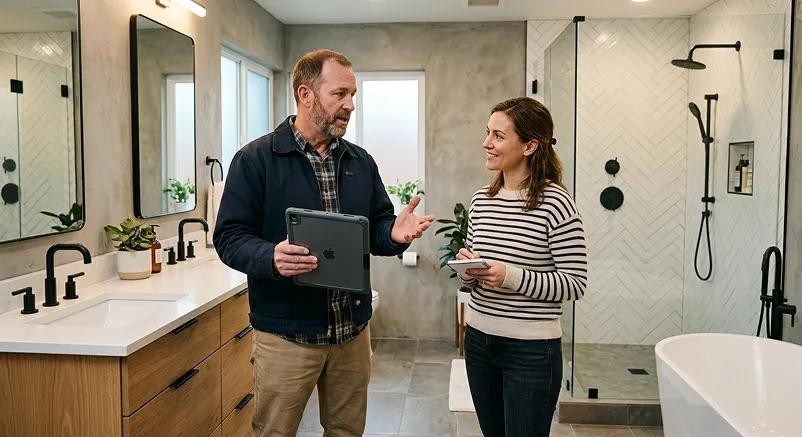
Every successful bathroom remodel begins with a conversation. Rather than immediately discussing the right fixtures or lighting, a trusted professional contractor should first explore how you use your space, find out what’s not working, and ask about the improvements you’d like to make.
What Happens During a Bathroom Renovation Consultation?
At the Bath Authority, our first step in any bathroom renovation is to conduct a thorough consultation with you—the homeowner. Our goal is to learn more about your home’s unique needs, define how we can improve your space, and consider your aesthetic preferences.
During your consultation, your remodeling specialist will typically:
- Measure the bathroom
- Discuss your goals and budget
- Evaluate plumbing and electrical layouts
- Identify any structural challenges
- Recommend products that fit your needs
- Explain the expected bathroom renovation timeline
Many homeowners are surprised that this appointment focuses just as much on lifestyle as design. For example, families with young children may prioritize easy-to-clean showers, while older homeowners may benefit from an accessibility renovation that improves safety without sacrificing style. No matter your stage of life, we’ll explore how to maximize your bathroom’s functionality for your unique needs.
How to Define the Renovation Scope: Small Updates vs. Full Bathroom Renovations
One of the first decisions you’ll make is determining just how extensive your bathroom renovation needs to be. For some homeowners, replacing an outdated tub or shower and updating a few fixtures is enough to make the space feel brand new. Others may want to completely reimagine the room with a new layout, upgraded plumbing, custom storage, and premium finishes.
Understanding the scope of your project early on helps set realistic expectations for your budget, timeline, and the overall bathroom renovation process—and ensures you invest in improvements that best fit your home and lifestyle.
| Small Bathroom Renovations | Full Bathroom Renovation |
| Tub or shower replacement | Complete layout changes |
| New fixtures | Plumbing relocation |
| New wall surrounds | New flooring |
| Updated vanity | Electrical updates |
| Fresh finishes | Complete redesign |
What Questions Should You Ask Before Signing a Contract?
A remodeling contract is more than just paperwork—it’s one of the most important tools for ensuring a successful bathroom renovation. A detailed contract protects both you and your contractor by clearly outlining the scope of work, project timeline, payment schedule, warranties, and each party’s responsibilities.
It also helps prevent misunderstandings, and gives you confidence that everyone is working toward the same expectations before construction begins. Before you sign, take the time to review every detail and ask questions about anything that isn’t clear.
Before choosing a contractor, ask questions like:
- Is your company licensed and insured?
- Who performs the installation?
- How long will the project take?
- What warranty is included?
- How are unexpected issues handled?
- Are permits included if needed?
Step #2: Pick Your Design Selections and Materials
Once you’ve established the scope of your project, it’s time to bring your vision to life. Choosing your design elements can be one of the most exciting parts of the bathroom renovation process, but it’s also where practical decisions become just as important as aesthetic ones.
Every selection—from your shower or bathtub to your fixtures, wall surrounds, and hardware—affects not only the final look of your bathroom, but also its durability, maintenance requirements, budget, and installation timeline. Taking the time to carefully evaluate your options now can help ensure you’ll love your new bathroom for years to come.
Fixtures, Finishes, and Products
This is the fun part! It’s time to select the products that will transform your space. Here are a few of the most common fixtures you might need to choose for your bathroom upgrade:
- Bathtubs
- Showers
- Vanities
- Faucets
- Flooring
- Wall surrounds
- Hardware
- Lighting
- Shelving/Storage
Whether you’re choosing sleek modern showers or durable replacement bathtubs, selecting products that balance style with long-term performance is just as important as choosing colors.
If you’re still gathering inspiration, browse these bathroom renovation ideas before making your final decisions.
Do Material Selections Impact the Timeline and Budget?
Short answer? Absolutely.
While it’s easy to focus on the appearance of your new bathroom, every product you choose plays a role in determining how long your renovation will take and how much it will cost. Factors like whether a product is in stock, custom-made, or requires specialized installation can all affect your project schedule. Understanding these tradeoffs early in the bathroom renovation process allows you to make informed decisions that balance your design goals, budget, and desired completion date.
Working with an experienced remodeling company like The Bath Authority helps ensure products are ordered at the right time so construction stays on schedule.
Ready to Start Planning?
The Bath Authority walks you through every decision, from design selections to final installation, so nothing catches you off guard. Book your free, no-obligation consultation today!
Step #3: Permits, Planning, and Prepping for Construction
Once your design is finalized, the focus shifts from planning your dream bathroom to preparing for the work ahead.
This behind-the-scenes phase may not be the most thrilling part of the bathroom renovation process, but it’s one of the most important. Securing permits, ordering materials, coordinating schedules, and preparing your home for renovation all help ensure construction begins on time and progresses with as few surprises as possible. A little planning before demolition starts can save time, reduce stress, and keep your renovation running smoothly from day one.
Will You Need a Permit for the Bathroom Renovation?
Put simply, it depends. While not every project requires one, permits help verify that major plumbing, electrical, and structural work is performed correctly and inspected when necessary. They can also protect you down the road by helping prevent issues during home appraisals, insurance claims, or future home sales.
An experienced remodeling contractor will know which permits are required for your project and typically handle the permitting process on your behalf.
Ordering Materials and the Lead Time
One of the biggest factors that can influence your bathroom renovation timeline happens before construction even begins: ordering materials. While many homeowners assume products are readily available, certain fixtures may need to be manufactured or shipped before installation can start. Lead times can vary significantly depending on the product you choose. Standard, in-stock items may arrive within days or a few weeks, while custom or specialty products can take several months.
That’s why experienced contractors typically finalize product selections and place orders well in advance of your scheduled renovation date. If a key product hasn’t arrived by your construction start date, it can slow down other phases of the project, even if the rest of the work is complete. Planning ahead helps ensure materials arrive when they’re needed and allows installers to keep your renovation moving efficiently.
Here are some typical lead times homeowners should keep in mind:
| Material or Product | Typical Lead Time |
| Standard fixtures (faucets, toilets, hardware) | A few days to 3 weeks |
| Stock bathroom vanity | 1–2 weeks |
| Semi-custom vanity | 4–8 weeks |
| Custom cabinetry or vanity | 8–12 weeks |
| Standard tile | 1–3 weeks |
| Specialty, handmade, or imported tile | 4–12 weeks |
| Custom shower glass enclosure | 2–4 weeks after measurements are finalized |
| Specialty fixtures or premium finishes | 4–12 weeks |
How to Get Ready for a Bathroom Renovation
A little preparation before construction begins can make a big difference in how smoothly your bathroom renovation goes. While your remodeling team will handle the installation and construction details, there are several steps you can take personally to prepare your home and make the process easier for everyone involved. Taking time to organize your space, protect your belongings, and plan for temporary changes to your routine can help minimize disruptions once work begins.
Before construction starts, talk with your contractor about what to expect each day, including where installers will enter your home, how materials will be delivered, and what areas need to remain accessible. If you’re renovating your only bathroom, make a plan for using another bathroom nearby until the project is complete. It’s also a good idea to remove personal items from cabinets, shelves, and shower areas before demolition begins to protect your belongings and give your installation team a clear workspace.
A quick checklist for you to complete before construction begins:
- Remove personal belongings and toiletries
- Empty medicine cabinets and storage areas
- Protect nearby furniture and flooring
- Plan an alternate bathroom if necessary
- Discuss access and parking with your contractor
- Keep pets and children away from the construction area
Step #4: What Happens During Demolition and Construction?
Many homeowners assume demolition is the most disruptive part of the process—but it’s usually one of the quickest. Here’s what to expect when your contractors start demolition in your bathroom:
What Happens During the Bathroom Demolition?
The bathroom demolition renovation process generally includes:
- Protecting nearby rooms and surfaces
- Removing old fixtures, such as tubs, showers, vanities, and toilets
- Removing flooring, wall materials, and outdated features
- Inspecting plumbing, electrical systems, and framing
- Repairing any hidden damage before installation begins
Demolition is the first visible step in transforming your old bathroom into a new space. While it may look like a simple process of removing outdated fixtures and materials, a professional bathroom demolition requires careful planning and attention to detail to protect the rest of your home and prepare the space for installation.
Demolition is also when contractors may uncover unexpected issues that weren’t visible during the initial consultation, such as water damage, outdated plumbing, or structural concerns. Addressing these problems early helps ensure your new bathroom is built on a safe, reliable foundation and prevents more costly repairs down the road. Once demolition is complete, the installation team can begin rebuilding the space with your new fixtures, finishes, and design elements.
The Installation Process: What’s Done in What Order?
Although every project differs slightly, the process of bathroom renovation usually follows this order:
- Plumbing and electrical updates
- Framing repairs
- Waterproofing
- Flooring installation
- Shower or tub installation
- Vanity installation
- Fixtures and hardware
- Final trim and caulking
- Cleanup
- Final inspection
Before your renovation begins, your contractor should carefully outline the steps of your specific project so that you know what to expect throughout. Professional installers carefully coordinate each phase to minimize delays.
How Long Do Bathroom Renovations Take? A Realistic Timeline
One of the most common questions homeowners have before starting a bathroom renovation is: “How long will this actually take?”
While every project is different, having a realistic expectation of your bathroom renovation timeline can help you plan ahead and avoid unnecessary stress. A simple shower replacement may be completed in just a few days, while a full bathroom renovation that involves layout changes, plumbing updates, or custom materials can take several weeks or longer.
Keep in mind that the work itself is only one part of the timeline. The planning phase—including design decisions, product selections, ordering materials, and scheduling—often begins weeks before construction starts. Working with an experienced remodeling team can help identify potential delays early, coordinate each step of the process, and keep your project moving toward completion.
Here’s a general overview of what you can expect:
| Project | Typical Timeline |
| Tub replacement | 1 day |
| Shower replacement | 1–2 days |
| Tub-to-shower conversion | 1–2 days |
| Full bathroom renovation | 2–4 weeks |
What to Expect from the Cost of a Bathroom Renovation
The cost of bathroom renovation depends on much more than the room’s size. Materials, labor, plumbing modifications, accessibility upgrades, and custom features all influence pricing.
Before beginning your renovation, your contractor should provide a clear estimate outlining:
- Labor costs
- Materials and products
- Permits (if required)
- Installation costs
- Potential additional expenses
- Warranty coverage
It’s also important to look beyond the upfront price when considering cost. A well-designed bathroom can improve your home’s comfort, functionality, and long-term value. Upgrading outdated fixtures, improving storage, enhancing accessibility, and choosing durable materials can make your bathroom easier to use and maintain for years to come—and improve resale value.
According to the National Association of Realtors’ Remodeling Impact Report, bathroom renovations are among the home improvement projects that can provide meaningful value and homeowner satisfaction.
Additionally, Zonda’s annual Cost vs. Value Report tracks the average costs and resale value recouped for popular remodeling projects, including bathroom remodels. The report consistently shows that bathroom upgrades remain one of the most common renovations homeowners undertake because they can improve both daily living and a home’s appeal to future buyers.
When budgeting for your project, consider both the immediate investment and the long-term benefits. Choosing quality materials and experienced installers can help prevent costly repairs later and ensure your new bathroom performs well for years.
What Drives the Cost of Bathroom Remodeling?
Several factors affect bathroom remodeling pricing, including:
- Size of the bathroom
- Product selections
- Plumbing relocation
- Electrical upgrades
- Structural repairs
- Accessibility features
- Custom glass or specialty finishes
Cost Ranges Based on Scope
While every project is unique, homeowners can generally expect that the cost of their bathroom remodel will vary based on the size of the project. Here’s a general breakdown:
- Lower investment: Cosmetic updates
- Moderate investment: Mid-range bathroom remodeling
- Premium investment: High end bathroom renovation with custom features and luxury materials
The best way to receive accurate pricing is through an in-home consultation with a professional contractor.
What Kind of Financing Options Are There for Bathroom Renovations?
Many remodeling companies offer financing options that allow homeowners to complete projects sooner without paying the entire cost upfront.
When discussing total costs with your professional renovation partner, ask what financing options they offer. Here are a few you should inquire about:
- Monthly payment plans
- Promotional financing
- Fixed-rate financing
- Deferred-interest programs
What Happens During and After the Final Walkthrough?
The final walkthrough is the last major step in the bathroom renovation process—and an important opportunity to make sure every detail meets your expectations before the project is officially complete.
During this appointment, you and your remodeling team will review the finished space, test fixtures, discuss maintenance, and address any questions you may have. A thorough walkthrough ensures that the installation was completed properly and that you understand how to care for your new bathroom moving forward. It’s also the time to review warranty information and confirm that any final adjustments are completed before your renovation is considered finished.
At The Bath Authority, we view the final walkthrough as more than a formality. It’s a chance to confirm that the craftsmanship, materials, and functionality of your new bathroom align with the vision you discussed at the beginning of the project.
What Should You Look for Post-Bathroom Renovation?
After your renovation is complete, it’s time to put your new bathroom to the test. Once your contractor steps out the door for the last time, it’s important to continue monitoring the functionality of your bathroom, ensuring everything works and your new space meets your needs completely.
In the first few months after your renovation, be sure to continue:
- Testing faucets and fixtures
- Checking doors and drawers
- Inspecting caulking
- Confirming proper drainage
- Reviewing warranty information
A quality remodeling company should also explain how to care for your new bathroom so it continues looking its best for years. If anything isn’t functioning properly within the first few years of installation, a great contractor should honor your warranties and help correct any issues.
Let The Bath Authority Help You with Your Bathroom Renovation
A bathroom renovation doesn’t have to feel overwhelming when you have experienced professionals guiding every step.
From helping you choose the right products to managing permits, installation, and the final walkthrough, The Bath Authority simplifies the entire experience. Whether you’re planning a simple shower replacement, exploring walk-in tub installation options, upgrading to modern bathtubs, or completing a full bathroom remodel, you’ll have expert support from start to finish.
And if you’re planning for aging in place, don’t forget to explore senior bathroom safety improvements that combine comfort with accessibility. No matter your needs, we’re here to streamline your renovation from start to finish.
The Bath Authority handles every step of the process—from the first conversation to the final walkthrough. Experienced installers, premium materials, and a satisfaction guarantee. Get your free estimate today!
Frequently Asked Questions
A simple bathtub or shower replacement may take just one or two days, while a full bathroom renovation typically takes between two and four weeks depending on the scope of work.
Usually not. If it’s your home’s only bathroom, discuss temporary solutions with your contractor before work begins.
Minor cosmetic updates often don’t require permits, but projects involving plumbing, electrical work, or structural changes usually do.
The scope of the project has the greatest impact, followed by material selections, plumbing modifications, and custom features.
Standard products are often more budget-friendly and readily available, while custom materials offer greater design flexibility but may increase both cost and lead time.
Remove personal belongings, make arrangements for another bathroom if necessary, and discuss access, scheduling, and expectations with your contractor.